
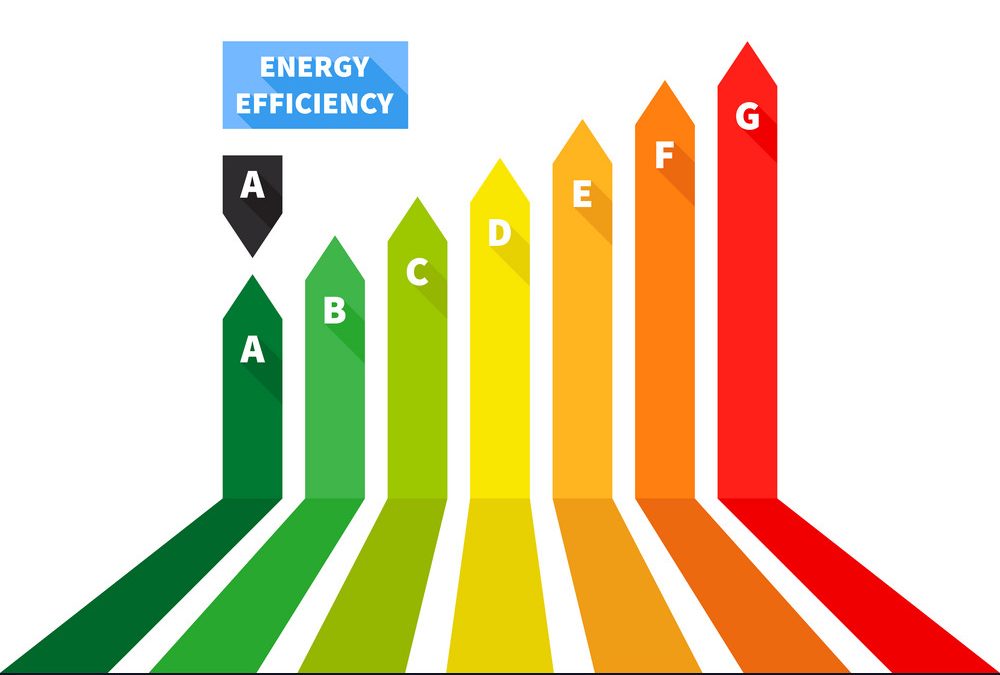
Your Guide on How to Design an Energy-Efficient Custom Home
In today’s custom home market, an energy-efficient custom home will set your apart from the many other custom homes in your neighborhood and the market as a whole. Adding energy-efficient perks during the design and building phase saves time and money now and results in a significant return on investment as the years go by.
As energy costs rise along with environmental consciousness, homeowners are prioritizing smart design strategies that deliver performance and savings – reducing long-term costs, increased comfort, and a more sustainable lifestyle.
In this guide, we’ll walk you through everything you need to know to design a high-performance home that uses less energy without sacrificing your personal style or comfort.
Table of Contents
What Makes a Custom Home Energy-Efficient?
When you sit down with the staff of Acipe Design to create your energy-efficient custom home, we’ll help design your home to minimize energy consumption while also maintaining optimal indoor comfort for you and your family. We help you achieve this through:
– Smart architecture design
– High-performance building and finish materials
– Efficient heating and cooling (HVAC) systems
– Utilizing renewable energy sources (solar, wind, etc.)
The goal: lower long-term utility bills and a smaller environmental footprint.
Benefits of an Energy-Efficient Custom Home
There are a number of benefits to designing and building your own energy-efficient custom home, including:
– Lower monthly utility bills
– Improved indoor air quality (and temperature)– Net-zero home design
–Reduced environmental impact
– Long-term financial savings
Start with Strategic Home Orientation
A (free) detail many homeowners often miss when designing an energy-efficient custom home is how and where your home is positioned on your lot. Considering this detail from the start – when land shopping if possible – can maximize your energy-efficient custom home goals before you even break ground. Some best practices to keep in mind:
− Maximize south-facing windows for natural light
– Reduce west-facing exposure (limits afternoon heat gain)
– Use landscaping strategically (trees, shading, etc.) to control sunlight exposure
Think: “warm in the winter, cool in the summer.” Starting with the proper orientation maximizes the weather outside your windows to control indoor temperature and avoid setting and resetting AC or heat throughout the year.
Invest in High-Quality Insulation
Insulation and energy-efficiency go hand-in-hand. Better insulation means better indoor temperature regulation year-round. When designing your energy-efficient custom home with Acipe Design, we’ll make sure the key areas are insulated:
– Exterior walls
– Attic (if applicable) and roof
– Floors and foundations
We’ll discuss the types of insulation and explain R-values to help you choose the right insulation to maximize thermal resistance and result in lower energy loss (and bills).
Install Energy-Efficient Windows and Doors
With your energy-efficient skeleton in place (a proper orientation and insulation), the next step is choosing other energy-efficient building materials like windows and doors. In fact, windows can account for significant heat loss if not properly designed and installed.
Energy-efficient doesn’t mean ugly. Look for labels with:
– Double- or triple-pane glass
– Low-E coating
– Gas-filled pane (argon/krypton)
– ENERGY STAR® certification
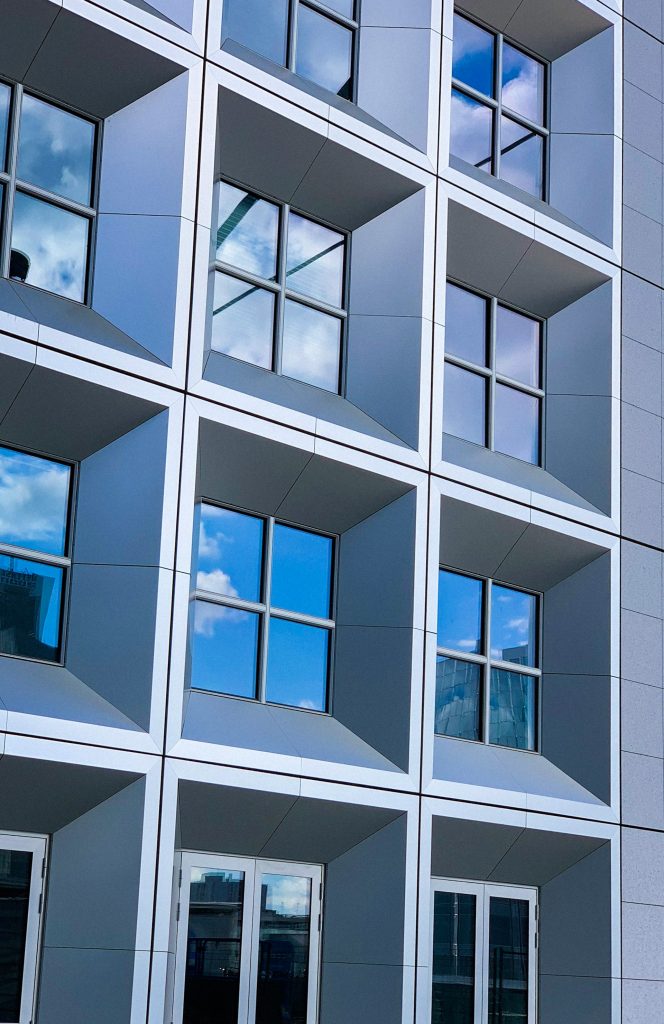
Choosing such materials results in better insulation, less draft, and improved indoor comfort, as well as beautiful design.
Choose an Efficient HVAC System
After you’ve chosen your insulation, windows, and doors, you have a good start with an energy-efficient custom home design. Next, you’ll want to consider your systems like electrical and HVAC. The HVAC system is one of the most important systems in your home – it’s the lungs of your home, controlling heat and air conditioning, and ensuring proper ventilation to control the indoor air of your home. Energy-efficient options for HVAC systems include:
– Air-source or geothermal heat pumps
– Zoned HVAC systems
– Smart thermostats
Using properly sized, modern systems to control the air in your home can cut energy use dramatically over time – in addition to turning off the light when you leave a room!
Energy-Efficient Lighting and Appliances
Much like with windows and doors, energy-efficiency doesn’t have to be ugly, and these small upgrades to lead to big long-term savings. When you create your lighting system during the design phase with Acipe Design, we’ll help you find what you love that also includes:
– LED lighting throughout the home
– ENERGY STAR®-rated appliances
– Smart lighting systems with dimmers, timers, and whole-home automation and control
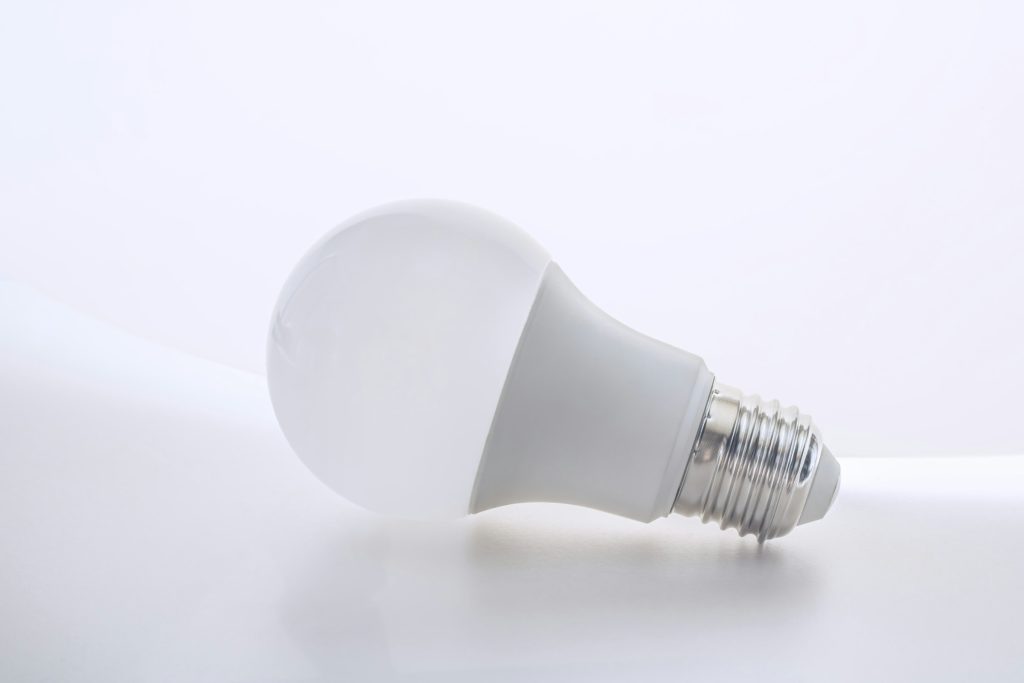
Bonus: as more homeowners turn toward these energy-efficient products, price goes down, availability increases, and these upgrades become more and more affordable while offering immediate return on investment you can see.
Design for Passive Heating and Cooling
What is “passive” heating and cooling? Passive design uses natural elements to regulate indoor temperatures. The staff at Acipe Design harnesses the idea of passive heating and cooling by recommending:
– Use thermal mass like stone elements or concrete floors
– Utilize cross-ventilation airflow
– Design roof overhangs that are stylish and offer extra shade
– Incorporate other shading devices like cordless blinds
These materials choices mean your home relies less on artificial heating and cooling, making your HVAC system work less and keep your energy bills low.
Improve Water and Heating Efficiency
Hot water is a major energy expense, no matter how many people are in the household. Most homes have water heater tanks, which only hold so much at one time. When a family of four needs to be showered and dressed to head to work or school in the morning, someone is taking a cold shower (it’s probably Dad!)
Lower water and energy consumption simultaneously so everyone has hot water when they need it! Consider:
– Tankless (on-demand) water heaters that supply every appliance and faucet with an appropriate amount of hot water for the task
– Low-flow fixtures (which don’t skimp on pressure)
– Automated blinds and lighting that adjust with the sun or other timer device
When you incorporate these in your energy-efficient custom home design, you’ll realize real-time energy optimization and short- and long-term cost savings.
Add Smart Home Technology
Many newer homes and especially custom homes, have smart home technology integrated from the start. These automated systems help you manage your whole home’s energy use, often whether or not you’re there. Consider adding:
– Smart thermostats
– Energy monitoring systems
– Automated blinds and lighting
Many of these items come with apps that can control settings from anywhere in the world. If you’re at work on the other side of town, you can access the app and make sure you turned off the bedroom lights, resulting in real-time energy optimization and cost savings.
Build to Energy Certifications
Whether or not your goal is to earn these certifications, adding elements that build toward them is the best way to ensure energy-efficiency in your new custom home. Popular certifications include:
– ENERGY STAR® Homes
– LEED Certification
– Passive House Standard
These certifications often result in higher resale values and validate performance of the home before you even move in. When you consult with the staff at Acipe Design, we’ll discuss each of these certifications, what they mean, and how you can achieve them.
Incorporate Solar and Renewable Energy
So far, we’ve talked about the ‘bones’ of your custom home that make it more energy-efficient – windows, doors, HVAC systems, and insulation. But energy-efficiency is more than just the bones or interior of your home.
Many of the energy-efficient homes on the market today include solar and renewable energy power solutions. Some options to consider include:
– Rooftop solar panels
– Home battery storage
– Solar water heating systems
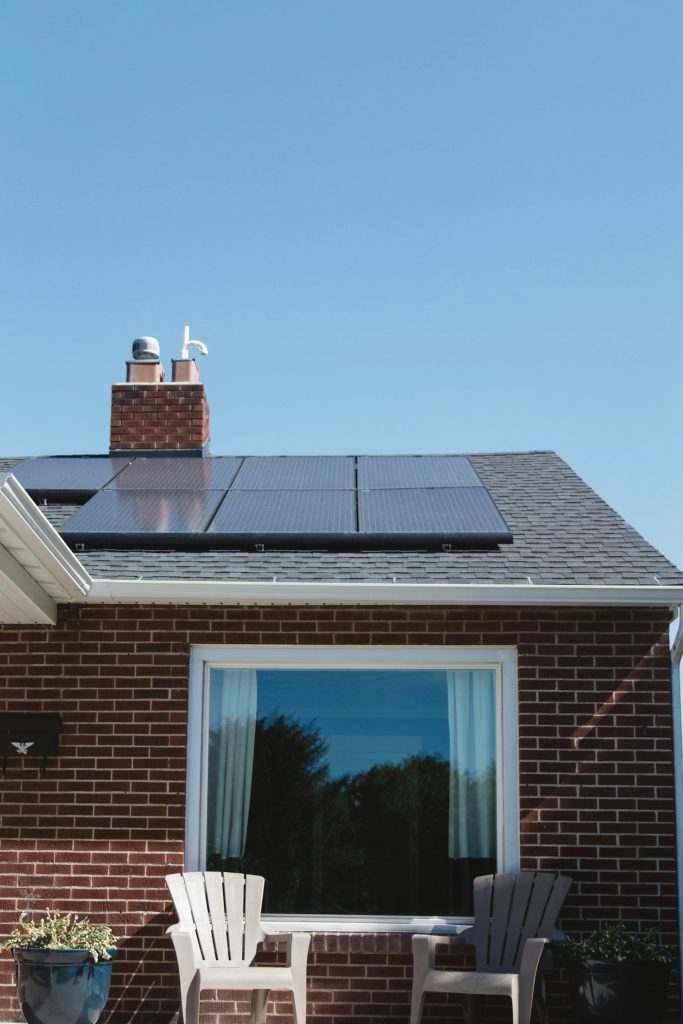
Many of these systems are installed outside the home to appropriately harness the power of the sun. The goal: to achieve a net-zero energy home, where your home produces as much energy as it consumes, resulting in a zero or low-cost power bill.
Final Thoughts
The staff at Acipe Design knows designing an energy-efficient custom home isn’t just a trend for today, it’s the future of smart living for years to come. By focusing on the items discussed in this article, you’ll be on the way to living in your perfect comfortable, cost-effective, energy-efficient, and environmentally responsible home that will last for years to come.
Contact us today!