
Designing your perfect home in the Phoenix area isn’t just about Southwest style – it’s about surviving one of the hottest climates in the U.S. The long summers, intense sun, and temperatures often skyrocketing past 100° F, your home needs to stay cool, energy-efficient, and comfortable all year long.
With the right design strategies, you can build in Phoenix while dramatically reducing heat gain, lowering energy costs, and create a home that’s naturally cooler – even in peak Phoenix summer heat.
When you work with the staff at Acipe Design, we’ll help you design a heat-resistant home in Phoenix that utilizes ideas like passive cooling, smart materials, and climate-responsive, Southwest architecture.
Table of Contents
Why Climate-Specific Design Matters in Phoenix
In northern climates, the focus is on staying warm in the winter and cool in the summer. In Phoenix and other desert climates, the experience is staying cool in the summer – and year-round. Phoenix experiences:
– Extremely hot summers (100° F+ for extended periods)
– Intense year-round solar radiation
– Low humidity (it’s a dry heat!)
– Mild winters
A well-designed home for Phoenix weather can:
– Reduce cooling costs
– Improve indoor comfort without over-reliance on AC
– Increase long-term energy efficiency Steps to Designing a Home to Survive the Heat
There are a number of steps you can take to combat the extreme heat of Phoenix and other desert climates. Whether you’re designing a custom home from the ground up, or renovating and want to control how you experience the heat, this list will help you hit all the high notes without having to suffer the discomfort of high temperatures.
Optimize Orientation to Minimize Heat Gain
The easiest and most inexpensive way to combat the heat is building orientation. In the desert, orientation is about avoiding heat rather than capturing it. To avoid Phoenix’s always-hot temperatures:
– Limit west-facing windows (decreases effects of the harsh afternoon sun)
– Use north-facing windows for softer, indirect light (and heat)
– Control south-facing exposure points with shading
Your goal: reduce direct sun exposure during the hottest parts of the day
Design for Shade First
Whether it’s January 1 or July 1, Phoenix residents are searching for shade – it’s the best defense against the desert heat. Make sure to include:
– Deep roof overhangs that block summer sun from infiltrating windows
– Pergolas, awnings, and exterior screens
– Covered patios (for outdoor living that stays cool)

Pro Tip: Exterior shading is much more effective than interior blinds at blocking the heat
Use High-Performance Insulation
Insulation isn’t just for cold climates like Michigan, it’s critical in Phoenix as well. Make sure to include:
– High R-value insulation in attics and walls
– Radiant barriers in the roof (reflect heat)
– Airtight construction (prevent hot air infiltration)
Good insulation can keep heat out, not just in.
Choose Heat-Reflective Materials
Every building material either absorbs or reflects heat. Choose:
– Light-colored roofing and walls (reflect sunlight)
– Cool roofs (designed to reduce heat absorption)
– Avoid dark exterior finishes (trap heat)
Install Energy-Efficient Windows
Windows are one of the biggest sources of heat gain in a home. When deciding which windows to install, consider:
– Low-E, double, or triple-pane windows
– Limit large windows on west-facing walls
– Consider tinted or reflective glazing

Pro Tip: Always pair windows with exterior shading for maximum effectiveness
Incorporate Thermal Mass
Thermal mass is what helps stabilize indoor temperature, no matter how warm or cool you’re trying to stay while indoors.
– Concrete, tile, or adobe walls and floors
– Absorb heat during the day
– Releases heat slowly as temperatures drop overnight
Phoenix’s desert climate, which includes hot daytime temperatures and cooler evenings, is prime for taking advantage of thermal mass
Maximize Natural Ventilation (When Possible)
Even when temperatures skyrocket during summer days, mornings and evenings can be cooler. Maximize natural ventilation:
– Design for cross-ventilation with windows on opposite sides of a home
– Use operable windows and vents
– Install ceiling fans for enhanced airflow
Optimizing natural ventilation can reduce AC use during ‘shoulder seasons’ (Spring and Fall)
Design Indoor-Outdoor Living Spaces
Outdoor living is a central part of the Phoenix lifestyle, but that lifestyle needs to come with plenty of shade.
– Covered patios and/or courtyards
– Outdoor rooms with ceiling fans
– Transition spaces the reduce the amount of heat that enters the home
Use Desert Landscaping for Cooling
Desert landscaping may not seem as colorful and inviting year-round, but when it blooms, it’s beautiful. It’s also your natural assistant in temperature regulation.
– Plant shade trees on west and south sides
– Xeriscaping (use low-water, desert-friendly plants)
– Light-colored hardscaping (reflects heat)
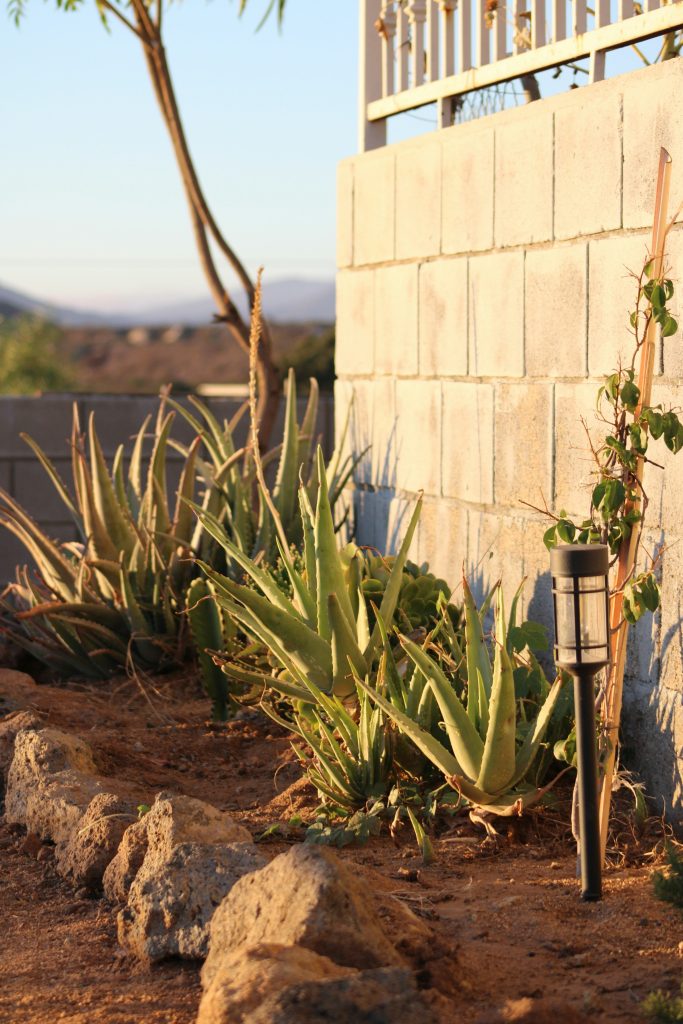
Pro Tip: Avoid large areas of heat=absorbing materials like dark concrete
Optimize Roof and Attic Design
Your roof carries the biggest burden of the heat.
– Install ventilated attics to release hot air
– Use radiant heat barriers under roofing
– Work with our team to choose materials designed for high-heat environments
Invest in Efficient Cooling Systems
Even with a top-notch plan from Acipe Design, Phoenix homes need strong cooling systems to help you survive the heat. Include:
– High-efficiency air conditioning or heat pumps
– Zoned HVAC systems that target cooling
– Smart home thermostats to manage energy use
Pro Tip: Ceiling fans can make rooms feel several degrees cooler without constantly adjusting the thermostat
Final Thoughts
We know designing a home for the Phoenix area means focusing on heat resistance, shade, and efficiency. A well-designed desert home stays cool in the extreme summer heat, reduces reliance on air condition, and uses natural design strategies to improve comfort and cut costs.
When you work with us to combine orientation, shading, insulation, and smart materials and systems, you can create a home that works with the desert climate rather than against it.
Contact us today!