

You’ve found the perfect piece of property to build your forever home: one in a neighborhood with top-rated schools, a lake community with stunning waterfront views, or an area that keeps you close to family. No matter the reason, the spot immediately felt like home.
After you purchased the property, you’ve turned to Acipe Design to create the custom home you’ve always dreamed of. Our staff helped you evaluate the land and your projected dream home, only to find something unexpected: the property has a smaller building envelope than you anticipated.
Many homeowners hear those words and feel their dream has become impossible. That staff at Acipe Design knows that’s far from the truth and with our thoughtful architectural planning and smart design strategies, we’ll help you create a spacious, energy-efficient custom home that ticks all your boxes.
In this article, you’ll learn the details of a building envelope and how designing within a tighter one results in better home performance in energy-efficiency, comfort, and long-term durability.
Table of Contents
What Is a Building Envelope?
In residential construction, the term “building envelope” has two important meanings.
The Physical Building Envelope
In home construction, the building envelope refers to the physical barriers that separate the interior of the home from the outdoor environment – important for Michigan’s hot, humid summers and freezing winters! The physical envelope protects the home from that weather, as well as air leaks, moisture, and natural temperature fluctuations.
The physical building envelope includes:
– Exterior walls
– Roofing systems
– Windows and doors
– Foundation systems
– Insulation
– Air barriers
– Vapor control systems
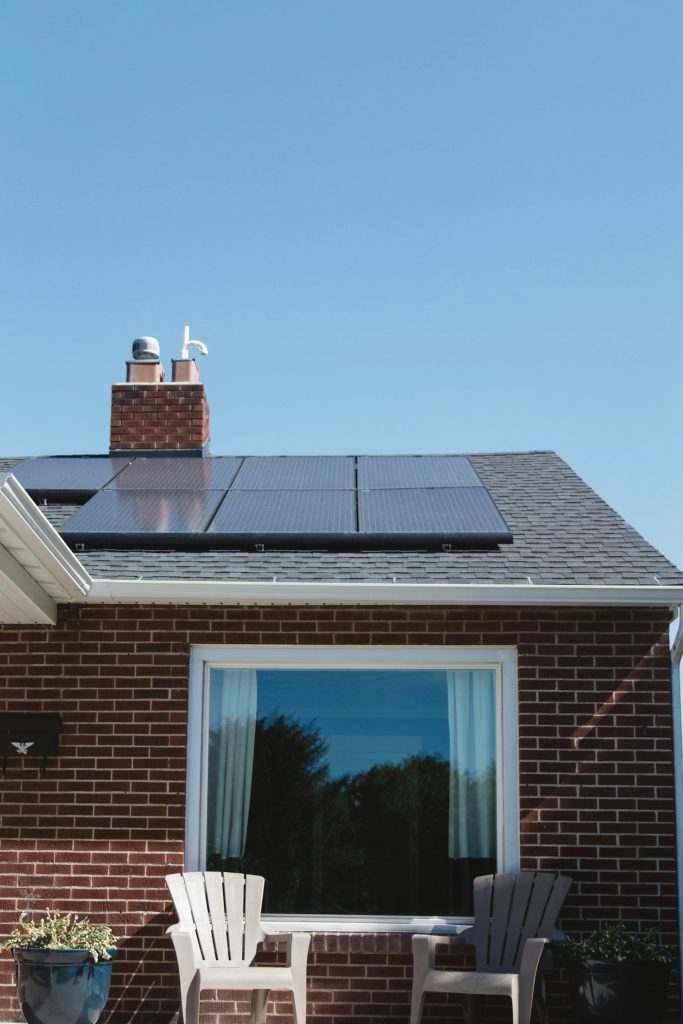
A properly-designed building envelope helps improve a home’s:
– Energy efficiency
– Indoor comfort
– Moisture control
– Indoor air quality
– Long-term durability
All important in Michigan’s brutal and highly-fluctuating climate.
The Property Building Envelope
This is what many people think of when they hear the term ‘building envelope’ for the first time. They think of everything surrounding the building itself. The land ‘envelopes’ your home inside it.
The property building envelope is actually the designated portion of the lot where construction is legally allowed. Factors that can limit a property building envelope include:
– Zoning regulations
– Wetlands
– Floodplains
– Utility easements
– Setback requirements
– Septic system placement
– Environmental protections
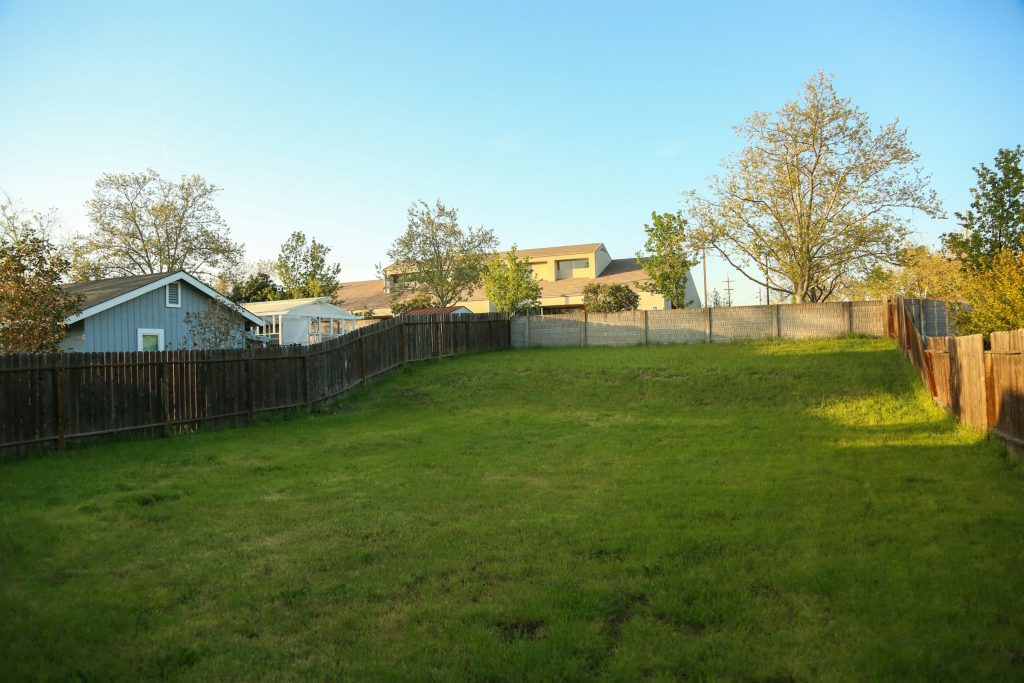
You may have bought a five-acre property, but only three acres is actually buildable.
Why Some Properties Have Tight Building Envelopes
There are many reasons why a property’s buildable area may be smaller than you expected. Common causes of smaller building envelopes in Michigan include:
– Wetlands
– Local zoning rules
– Waterfront setbacks
– Conservation restrictions
– Soil conditions
– Utility access requirements
The staff at Acipe Design helps you fully understand your property before construction begins, to ensure your dream home can be built where and how you want. Before suggesting any design, we ensure buildable area is utilized to the fullest by reviewing:
– Property surveys
– Zoning ordinances
– Site restrictions
– Environmental limitations
– Building setbacks
By gathering all the necessary information, we can design your custom home around the property’s unique features and constraints while maximizing functionality and aesthetics.
How to Build a Home with a Tight Property Building Envelope
Working with a tighter property building envelope doesn’t mean sacrificing square footage or luxury. It simply requires smarter, more intentional design. A tight envelope can make your custom home truly unique.
Build Up Instead of Out
Your original dream was a sprawling ranch-style home with large wings (possibly a ‘guest wing’ and a ‘mater wing’) and equally expansive outdoor living spaces. But those dreams had to be scrapped – at least a little – due to the limited footprint.
But when buildable space is limited, the sky becomes the limit! Vertical design solutions become extremely valuable. For example, the original design you had in mind included:
– A large open-concept great room
– A kitchen-focused entertaining space
– Multiple bedrooms
– Two home offices
– A workshop
– Outdoor living
However, your prime location doesn’t allow for all of that in a horizontal space. You can still have it, but in a different way. Your new design now includes:
– A finished basement entertainment area
– A ground-level garage and workshop
– An expansive main living floor
– Upstairs bedrooms, bathrooms, and laundry
– A spacious rooftop deck for outdoor living and entertaining
By building up, you still have all the functionality you want and need while staying within the property’s restrictions.
Rooftop Decks and Vertical Outdoor Living
When backyard space is limited by your property building envelope, outdoor living can move upward too. Michigan homeowners tend not to think about rooftop spaces, given the long, snowy winters that limit access and enjoyment.
However, rooftop decks provide:
– Entertaining space
– Extra privacy
– Views
– Additional square footage
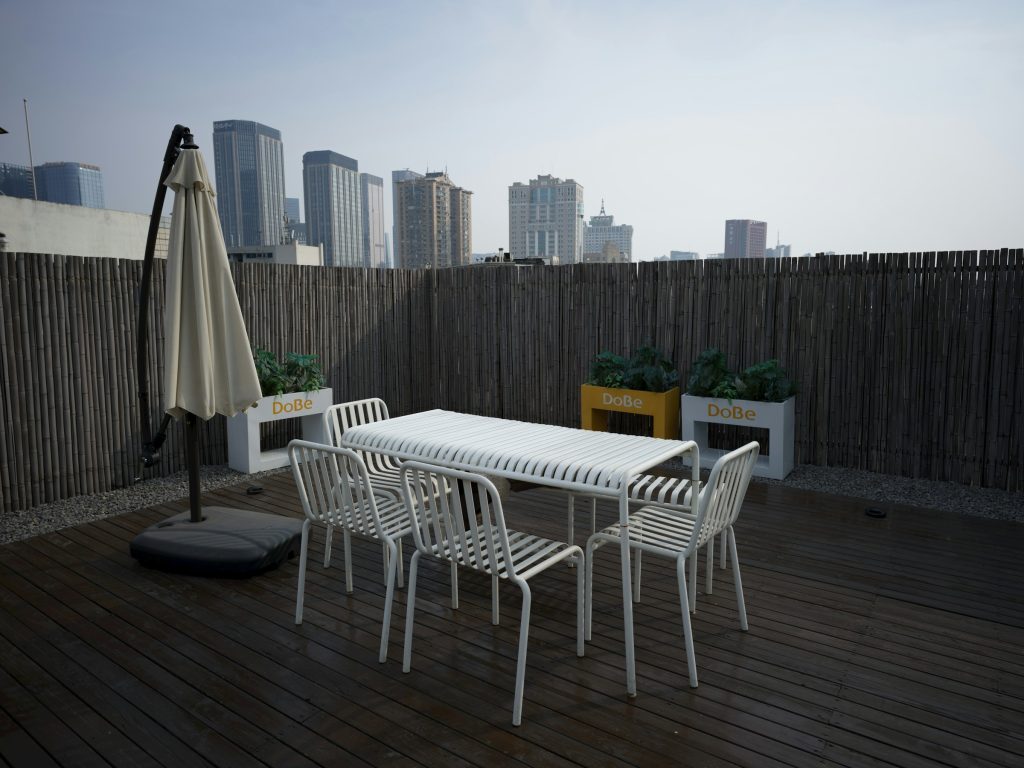
The staff at Acipe Design can help you design a safe, affordable, rooftop deck for when the yard just isn’t big enough for all the outdoor space you want. Many homes with small property envelopes see outstanding long-term and resale value when adding a rooftop deck.
Open Floor Plans
Open-concept living isn’t just for large homes with lots of horizontal space. Open floor plans work exceptionally well in smaller spaces, too. These layouts create better sightlines and improve natural flow. Popular features of open-concept living that translate to any size home include:
– Combined kitchen and living areas
– Vaulted ceilings
– Minimal interior walls
– Larger gathering spaces
Maximize Natural Light
When in doubt, bring in natural light. Natural light plays a major role in making any space feel larger. Strategies that work well in tighter spaces:
– Building orientation
– Oversized windows
– Clerestory windows
– Glass doors
Flexible Multi-Use Spaces
When you work with the staff at Acipe Design, we help you carefully plan your square footage, ensuring you get the space you need. When property envelope size squeezes your dreams into smaller spaces, we design for rooms that have multiple functions. Some things to consider adding to your design:
– Guest rooms that double as office space
– Finished basements
– Built-in storage
– Rooftop outdoor living
The Importance of a Tight Physical Building Envelope
While designing within a smaller property building envelope and getting everything you want is important, it’s equally important to focus on creating a high-performance physical building envelope.
A tightly sealed home improves things like:
– Energy efficiency
– Heating and cooling performance – Moisture management
– Comfort
– Long-term durability

Air Sealing and Insulation
Today’s custom homes benefit from the advancements in building techniques which reduce air leakage and improve thermal performance – extremely important in Michigan’s fluctuating climate.
Key features include:
– Continuous insulation
– Air-sealed wall systems
– High-performance windows and doors
– Spray foam or dense-pack insulation
– Proper vapor management systems
Such systems work individually and together to keep condition air inside, while preventing drafts and moisture intrusion.
Why Tight Building Envelopes Matter in Michigan
Michigan homes benefit markedly from tight physical building envelopes, especially given the state’s unique climate challenges like:
– Long, cold winters
– Freeze-thaw cycles
– Humidity
– Ice dam risk
A poorly sealed home can lead to major problems, including:
– High heating and cooling costs
– Condensation inside walls
– Drafty rooms
– Mold and moisture problems
– Roof ice dams
Creating a tight building envelope from the start prevents these issues while also improving overall, year-round energy efficiency and comfort.
Final Thoughts
Building a home with tight building envelopes requires creative problem-solving, but also creates opportunities for smarter, more efficient – and unique – design. At Acipe Design, we excel at helping homeowners turn challenging properties into exception custom homes that maximize space, functionality, energy efficiency, comfort, and the architectural beauty you desire. No matter the limitings we can help design a home that fully reflects your lifestyle and vision. With the right design approach, your dream home is still possible.
Contact us today!